

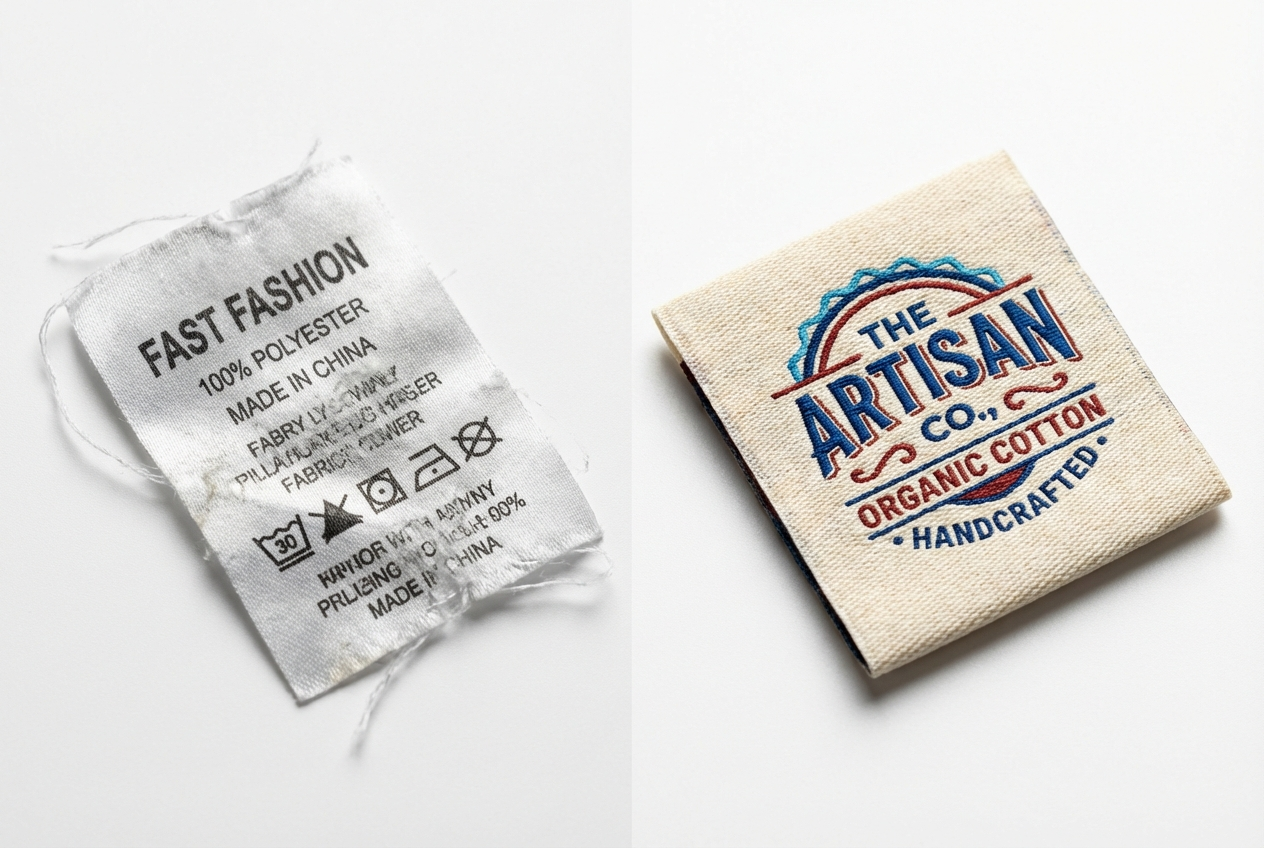
You buy a shirt online from a brand you've never heard of. It arrives, looks decent, fits well enough. Then you check the label inside the collar. It's a flimsy printed strip with blurry text, already peeling at one corner before you've even worn it. Something shifts in how you feel about the purchase. It's a small thing, but it affects how you feel.
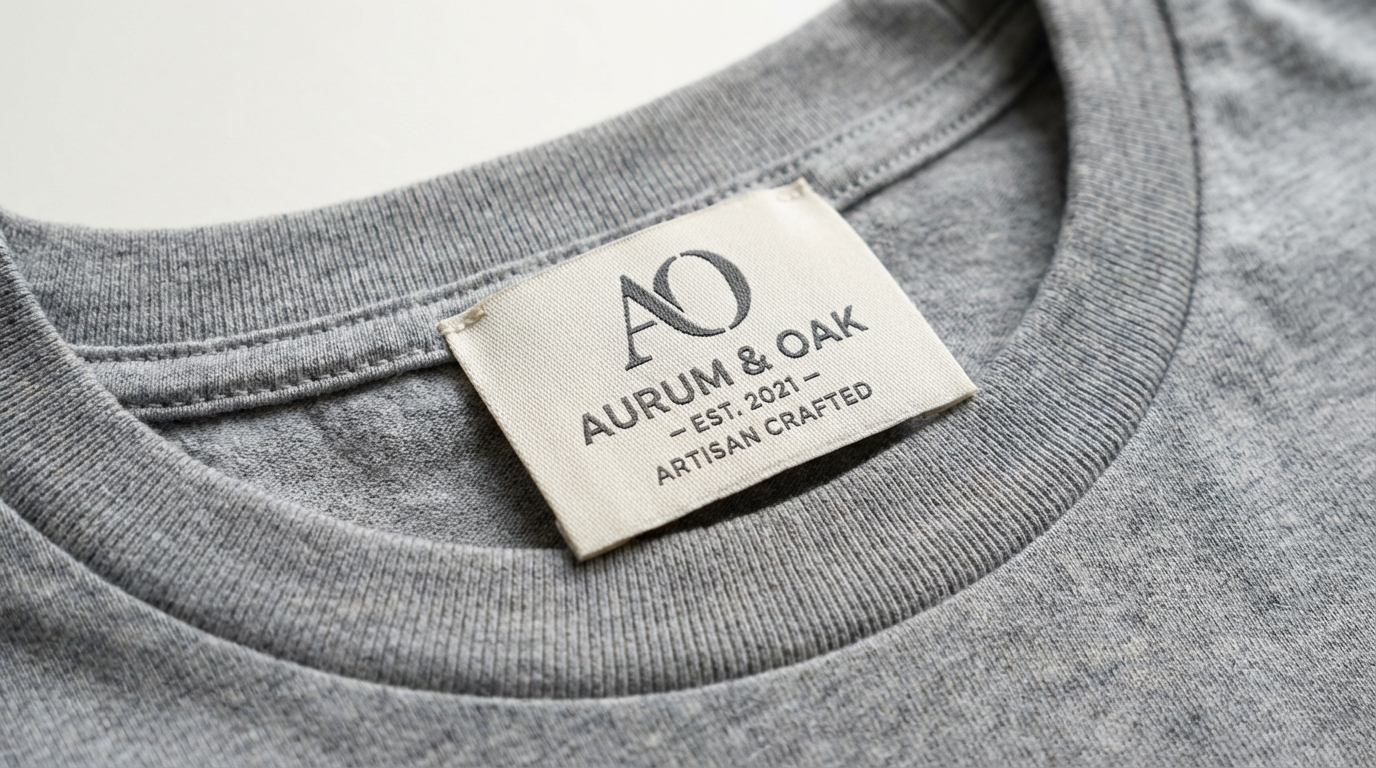
Now picture the opposite. The label is woven. It is smooth, with crisp text and a clean logo. The fold is precise. The stitching is tight. It's a five-cent piece of fabric, and it just told you this brand takes itself seriously.
That's the role clothing labels play in building brand trust. They're the last thing most brands think about and one of the first things customers notice. We've been producing custom labels at Custom Woven Labels since 2008, and one thing that we learned over thousands of orders is that brands that invest in quality labels are the brands that survive. The ones that cut corners on labels tend to cut corners elsewhere, and their customers figure it out eventually.
What Makes a Label "Quality" (It's Not Just the Material)
When we talk about quality labels, we're talking about several factors working together.
Material matters. Woven labels are the gold standard for comfort and premium feel. They're soft against the skin, they don't curl or fray, and the branding is woven into the fabric itself, not printed on top. That means it won't fade, crack, or peel no matter how many times the garment gets washed. Satin and damask weaves offer different textures for different applications, but both consistently test well for customer comfort.
Print and weave clarity. Can you read the text clearly at the size it appears? Is the logo recognizable? Cheap labels often have soft, blurry reproduction. The text is technically there, but it lacks the sharpness that reads as professional. Quality woven labels reproduce text as small as 1mm clearly because the weave density is high enough to capture fine detail.
Finishing. How the label is cut, folded, and finished at the edges matters. A center-fold label with clean heat-sealed edges looks intentional. A straight-cut label with visible raw edges looks unfinished. The fold type should match the garment application — center fold for neck and side seams, book fold for hem tags, straight cut for flat applications.
Comfort. This is the one that trips up the most brands. A label can look perfect but feel terrible against skin. Printed satin labels are smooth but can stiffen over time. Tyvek labels are lightweight but have a waxy paper feel. Woven labels maintain their softness wash after wash. If a customer cuts your label out because it's scratchy, you've lost your branding entirely.
The Real Cost of Cheap Labels
The math seems obvious at first. A cheap printed label costs maybe $0.03-0.05 each. A quality woven label might run $0.10-0.20. On a 500-piece order, that's a difference of $35-75. Not nothing, but also not significant against the total cost of producing a garment.
Now consider the hidden costs of cheap labels.
Returns and complaints. "Label is itchy" is a surprisingly common reason for returns on Amazon, Etsy, and DTC storefronts. Each return costs you the shipping, the restocking time, and often the customer. The $0.07 you saved per label starts looking expensive when it's driving a 2-3% increase in return rate.
Brand perception. Cheap labels tell a story you don't want to tell. They say: we cut corners. We prioritize margin over experience. Your customer may not articulate it that way, but the feeling lands. And feelings drive repeat purchase behavior more than logic does.
Durability. Printed labels fade. The text becomes illegible. The care instructions disappear. Now your customer can't remember if that shirt is machine-washable or hand-wash only. They guess wrong, the garment shrinks, and your brand gets blamed for poor quality — all because the care label faded in the wash.
Photographs and reviews. In the age of social media unboxing videos and detailed product reviews, people photograph labels. They zoom in. They post the label shot alongside the product shot. A sharp, well-made label photographs well and reinforces your brand image. A cheap one does the opposite.
What Smart Brands Do Differently
The brands that get this right don't necessarily spend more overall. They allocate more thoughtfully.
They match the label to the product tier. A $40 cotton tee gets a soft woven cotton label. A $15 promotional tee might get a quality printed cotton label. Both options are great, but priced appropriately. The key is proportionality. Your label quality should match or slightly exceed the expectation set by your price point.
They use the label as a brand touchpoint. The best labels don't just say the brand name and care instructions. They include a small detail: a tiny icon, a tagline, a URL, or a QR code. Something that gives the customer one more reason to connect with the brand. Some brands put a short message on the reverse side of the fold: "Made with love in Brooklyn" or "Wash cold, live warm." It costs nothing extra and creates a moment of delight.
They invest in the main label and economize elsewhere. You don't need every label in the garment to be a premium woven label. The neck label, the one the customer sees and feels most, gets the full treatment. The FTC-required content label with care symbols and fiber content can be a simple printed satin label. The customer interacts with the brand label; the care label just needs to be legible and durable.
They order enough to hit price breaks. Label pricing is heavily volume-dependent. At 5 pieces you're paying for setup. At 200-500, the per-unit cost drops significantly. At 1,000+, you're getting close to the best possible price. Smart brands forecast their needs and order in batches that make economic sense rather than ordering 50 at a time repeatedly.
Label Types and When to Use Each
Woven cotton labels: Best for anything worn against the skin. T-shirts, intimates, children's clothing, activewear. Soft, durable, premium feel. This is the label that builds trust at the tactile level.
Woven satin/damask labels: Slightly more formal look with a subtle sheen. Popular for dresses, dress shirts, outerwear, and accessories. Smooth and comfortable, but the satin face can snag in certain applications.
Printed cotton labels: Good mid-range option. Softer than printed satin, good reproduction quality. Works well for casual wear and mid-priced goods. Won't match a woven label's longevity or sharpness but acceptable for most applications.
Printed satin labels: Smooth, lightweight, inexpensive. Fine for care labels and content labels. For the main brand label, printed satin signals "budget" to an experienced eye. Use it for secondary labels, not your primary brand identification.
Heat transfer labels: No label at all. The branding is printed directly onto the garment. Eliminates comfort complaints entirely. Popular for athletic wear, children's clothing, and products marketed as "tagless." The tradeoff is that the print can fade over many washes, and you lose the premium tactile element of a woven label.
Getting the Most from Your Labels
If you're ready to upgrade from whatever generic labels you've been using, or you're launching a new line and want to get the labels right from the start, here are our standard recommendations.
Start with your primary brand label. Get it in woven cotton if you're doing anything worn against the skin. Send us your logo in vector format, tell us the colors and the fold type you need, and we'll mock it up. Our minimum is just 5 pieces, so you can sample and iterate without committing to thousands.
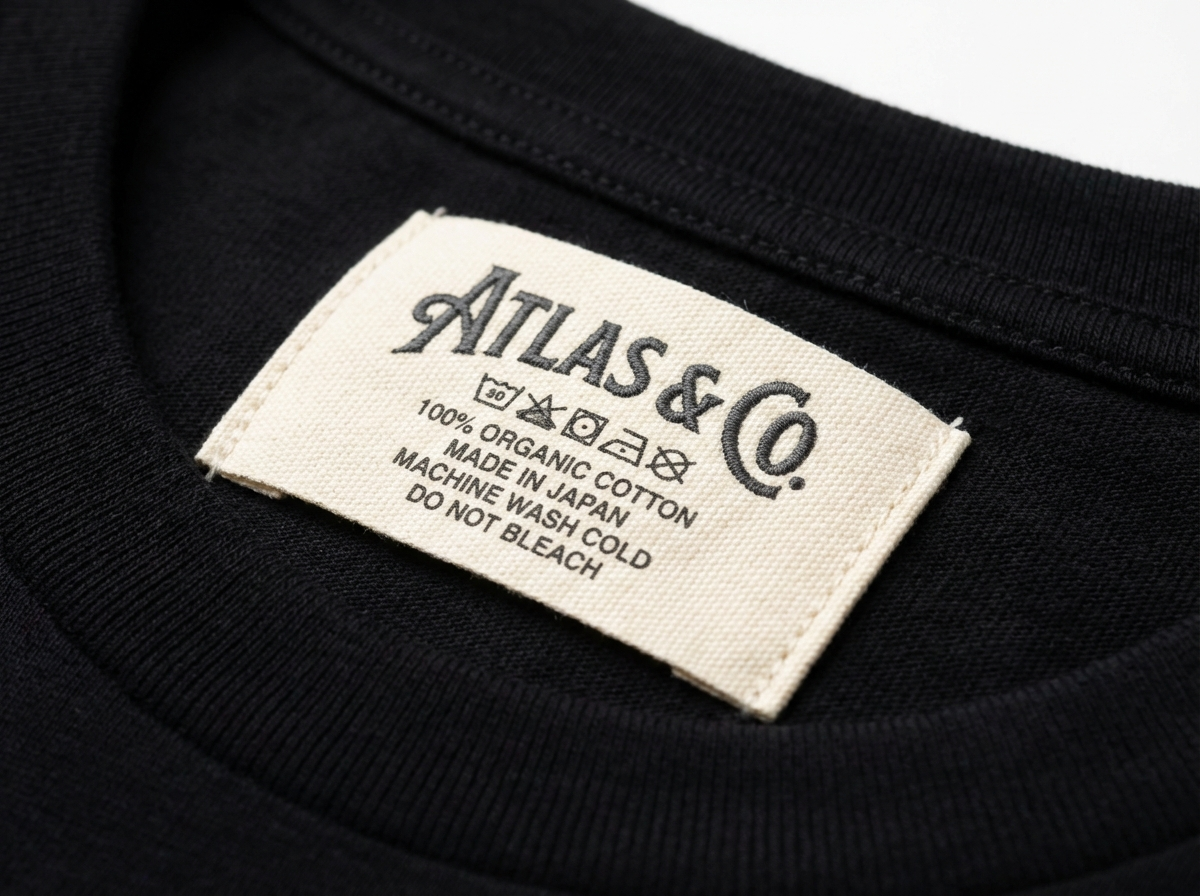
Think about what your label says beyond the brand name. Care instructions are legally required for garments sold in the US. But the way you present that information reflects your attention to detail.
Look at your label in context. Hold it against the garment fabric. Fold it and mount it where it'll sit. Check that the color complements the garment and that the label size is proportional. A label that's too big looks clumsy; one that's too small looks like an afterthought.
We've been helping brands get their labels right since 2008, and the one thing that hasn't changed in all that time is this: the brands that care about the small details are the brands that build lasting trust. Your clothing label is the smallest detail with the biggest signal. Get it right, and everything else you're doing gets amplified. Get it wrong, and you're quietly undermining your own work with every garment you ship.
Reach out for a free quote. We'll help you find the right label type, material, and design for your brand.
The information below is required for social login
Sign In
Create New Account