

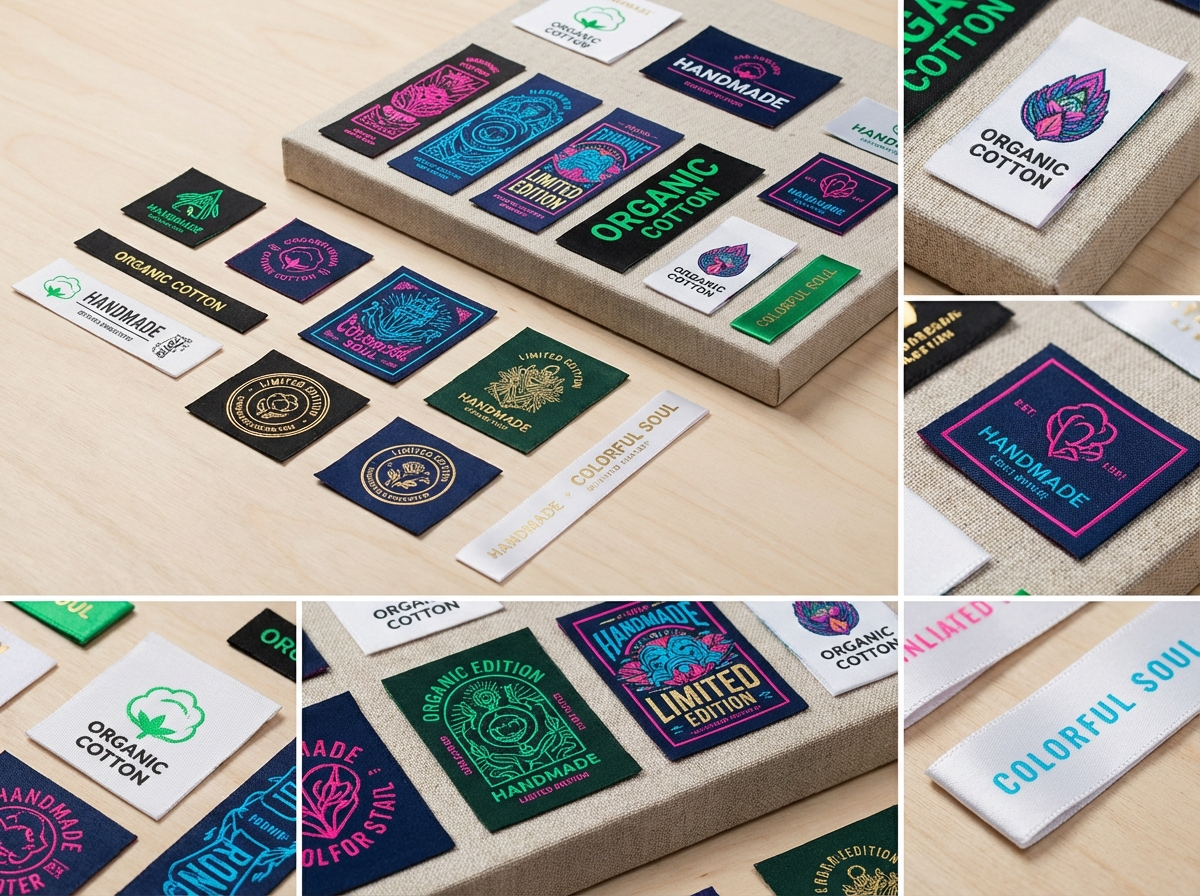
Step into any retail store and start checking clothing labels and you'll quickly notice two distinct types. Some labels feel flat and smooth with crisp, bright graphics that look almost painted onto the fabric. Others have a raised, textured feel with designs that seem built into the material itself. You're seeing the difference between printed and woven labels, two fundamentally different approaches to clothing brand identification.
The choice between printed and woven labels affects everything from your per-piece costs to how your brand appears to customers. It influences production timelines, minimum order quantities, and even how your labels age over time. After nearly two decades producing both types for thousands of clothing brands, we've learned that neither option is universally better, but one is almost always better for your specific situation.
Understanding the real differences helps you make informed decisions that align label choice with brand positioning, budget constraints, and practical requirements. The wrong choice can cost money, create production delays, or fail to properly represent your brand. The right choice supports your business goals while staying within realistic budgets.
How Printed Labels Are Made
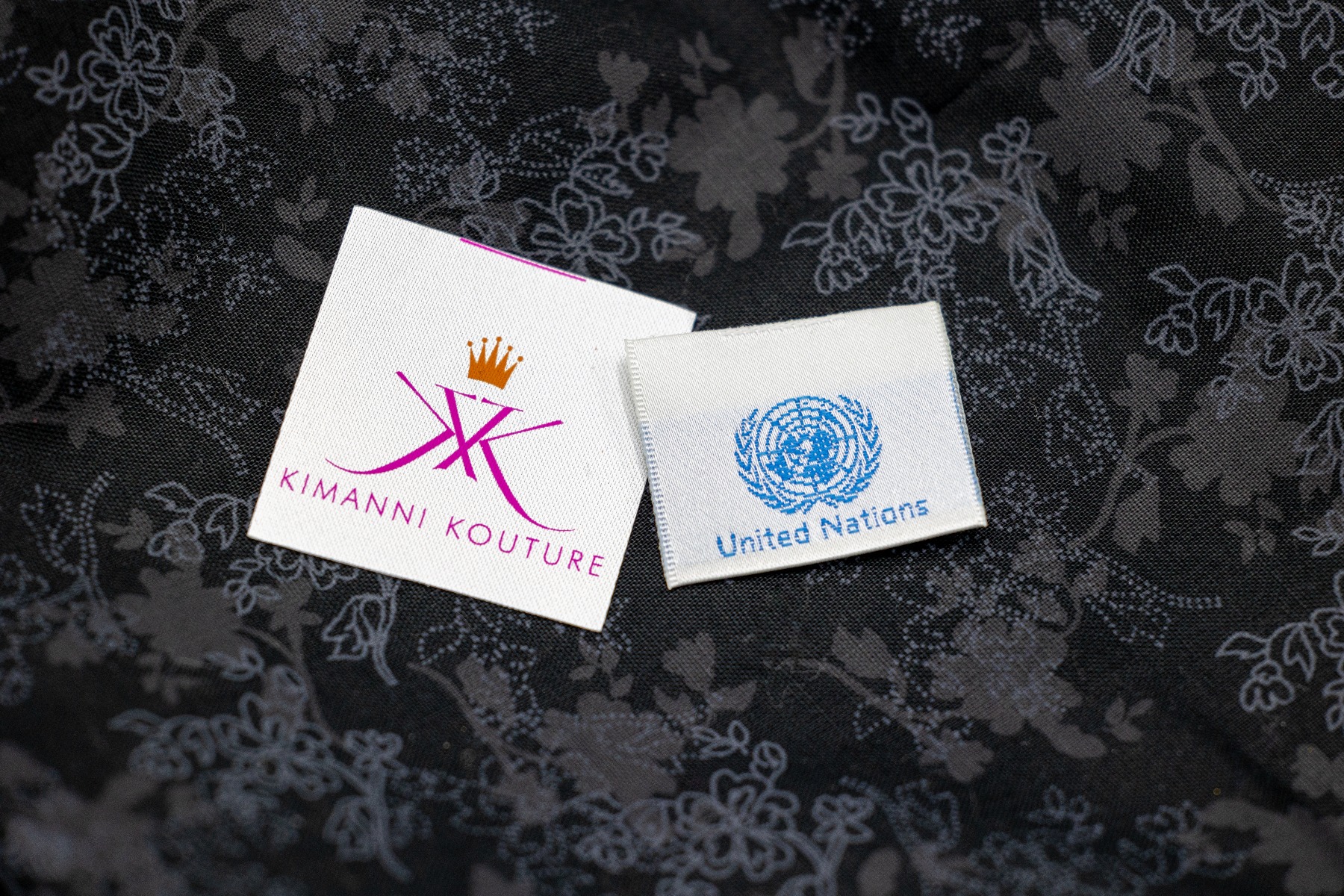
Printed labels start with a base fabric: cotton, satin, or damask. Designs are printed using various printing methods including dye sublimation and screen printing. Modern dye sublimation printers use water-based or pigment inks that penetrate and dye the fabric fibers, creating designs that become part of the material structure. Screen printed options use a standard screen printing process to achieve the end result, the major difference from dye sublimation being that screen printed labels lay ink on top of the fabric. Dye sublimation, dyes the fabric directly with the design.
Digital dye sublimation printing offers unlimited color possibilities because it mixes inks on demand rather than using pre-selected thread colors. Gradients, photographic images, and complex artwork translate directly from computer screen to fabric without the constraints of thread limitations.
The dye sublimation printing process allows for variable data so each label can be different, while keeping production costs lower. This makes printed labels perfect for size runs, care instruction variations, or designs that include individual retailer information.
Production setup for printed labels is minimal compared to woven alternatives. No digitizing or weaving setup is required; designs go directly from approved artwork to printed labels.
Quality printed labels use colorfastness treatments and proper ink curing to ensure longevity. The printing penetrates fabric fibers rather than sitting on top, creating labels that resist fading and wear through normal garment lifecycles.
Woven Label Construction
Woven labels are created by interlacing threads during the weaving process to build designs directly into fabric structure. Instead of applying graphics to existing material, weaving creates the design and the base fabric simultaneously.
This construction method produces labels with raised texture and dimensional appearance that can't be replicated with printing technology. The thread-by-thread building process creates subtle variations in surface height that give woven labels their distinctive premium look and feel.
Weaving requires extensive setup including digitizing your design into weaving instructions, setting up looms with specific thread colors, and creating samples for approval. This front-end investment makes woven labels less practical for small orders but highly cost-effective for large production runs.
Thread selection affects both appearance and performance. We use threads specifically chosen for colorfastness, strength, and consistent tension during weaving. Thread combinations can create special effects like metallic accents, reflective elements, or textural contrasts impossible with printing.
The weaving process naturally creates finished edges that don't require additional processing. Printed labels often need edge treatments like cutting, folding, or binding to achieve finished appearance, adding steps that woven labels complete inherently.
Cost Structure Comparison
Printed labels typically cost less per piece than woven alternatives, especially for small orders. The simplified production process and minimal setup requirements make printed labels accessible for startups, small brands, and test runs where budget matters more than premium appearance.
Setup costs differ dramatically between the two methods. Printed labels require only artwork preparation and color matching—usually completed within hours of order approval. Woven labels need digitizing, loom setup, and sampling that can add days to production schedules.
Volume pricing favors woven labels for large orders because the setup costs amortize across more pieces. The crossover point typically occurs around 500-1000 pieces, depending on design complexity and specific requirements.
Hidden costs affect both systems differently. Printed labels may require additional edge finishing or backing treatments for certain applications. Woven labels include finished edges and premium construction in the base price but cost more for design changes or color additions.
Long-term cost considerations favor woven labels for ongoing production. Once digitized and proven, woven label designs can be reordered without additional setup fees. Complex printed designs may require color matching and press setup for each reorder batch.
Quality and Durability Factors
Woven labels generally provide superior longevity because the design is built into the fabric structure rather than applied on top. Thread interlacing creates mechanical bonds that resist separation, fading, and wear better than printed applications.
Colorfastness performance varies by construction method and materials used. High-quality woven labels maintain color intensity through hundreds of wash cycles because the threads themselves are pre-dyed before weaving. Printed labels depend on ink penetration and chemical bonding that can degrade over time.
Physical durability testing shows woven labels handle abrasion, stretching, and repeated folding better than printed alternatives. The three-dimensional thread structure distributes stress across multiple fiber intersections, while printed designs concentrate stress in the ink-fabric bond layer.
Edge integrity differs significantly between construction methods. Woven labels have edges created during the weaving process that won't separate or fray under normal use. Printed labels rely on cutting and edge treatments that can fail if stress exceeds the finishing method's capabilities.
Premium appearance retention favors woven labels for high-end applications. The raised texture and dimensional appearance of woven construction maintains visual impact even as labels age. Printed labels can develop a worn appearance more quickly, especially in high-friction areas.
Design Capabilities and Limitations
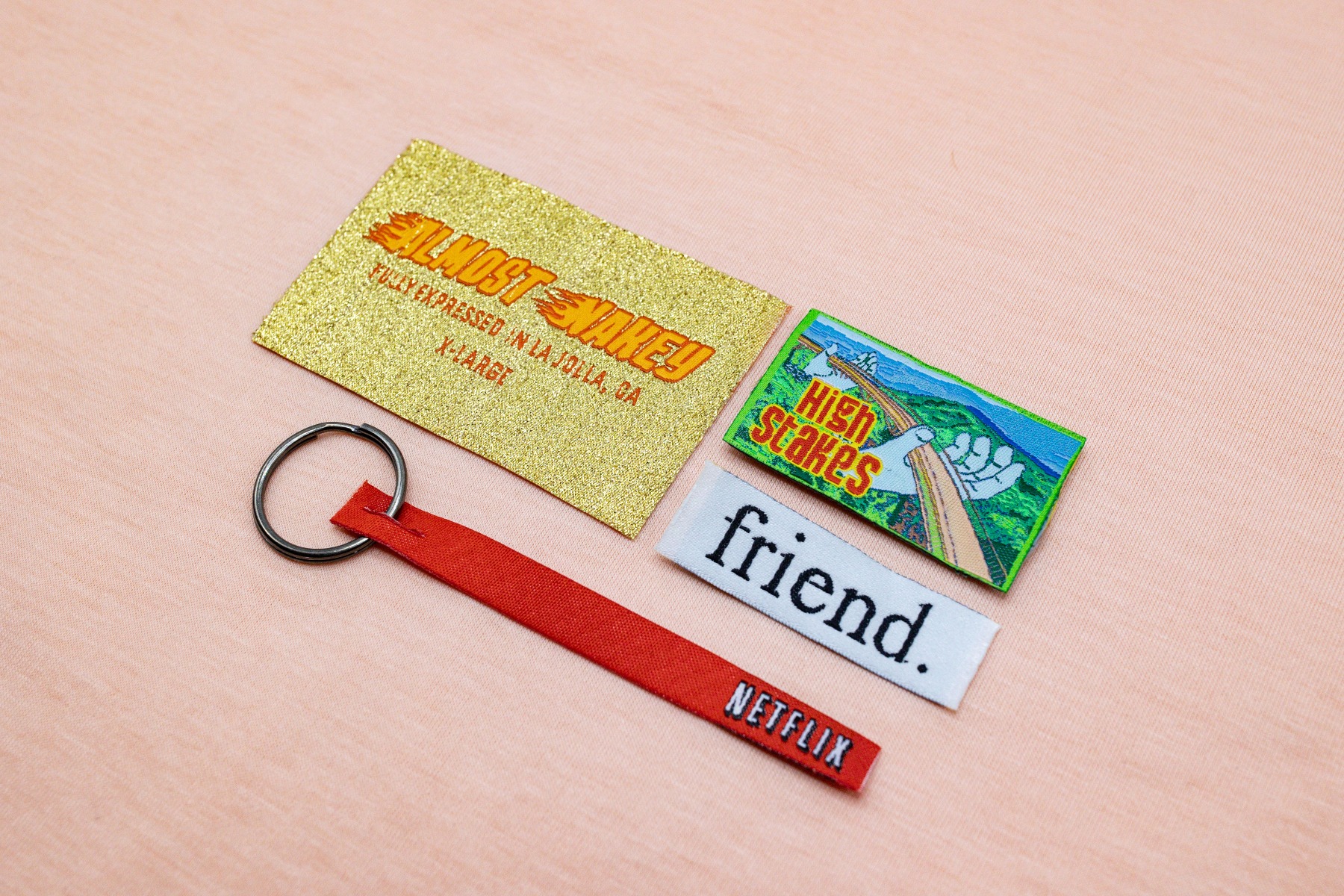
Printed labels excel at reproducing complex artwork, photographic images, and designs with unlimited color palettes. Digital printing can handle gradients, shadows, and fine details that would be impossible or prohibitively expensive to create with weaving.
Color matching is more precise with printing because inks can be mixed to exact specifications. Pantone® color matching is standard with printed labels, while woven labels must work within available thread color ranges.
Woven labels create design aesthetics that printing cannot replicate. The raised texture, thread direction changes, and dimensional appearance give woven labels a premium look that communicates quality and craftsmanship.
Text legibility differs between methods depending on size and complexity. Printed labels can handle small text and fine fonts more easily, while woven labels work better for bold text and simple graphics that take advantage of the three-dimensional construction.
Application-Specific Considerations
High-end fashion and luxury goods typically use woven labels because the premium construction aligns with brand positioning. The tactile quality and sophisticated appearance of woven labels support higher price points and quality perceptions.
Fast fashion and budget-conscious brands often choose printed labels for their cost efficiency and quick turnaround capabilities. The lower per-piece cost and minimal setup requirements support rapid style changes and large volume production.
Technical and performance garments present specific challenges for both label types. Printed labels on moisture-wicking fabrics must use compatible inks that don't interfere with fabric performance. Woven labels need thread selections that match garment stretch and recovery characteristics.
Children's clothing requires special consideration for both safety and durability. Printed labels eliminate raised edges that might irritate sensitive skin, while woven labels provide better durability for clothing that sees heavy use and frequent washing.
Corporate and uniform applications often prefer printed labels for cost control and easy customization. Variable data printing allows for different departments, locations, or sizes within single orders without affecting per-piece costs.
Brand Image and Market Positioning
Label choice communicates brand values before customers even examine the garment. Woven labels suggest attention to detail, quality construction, and premium positioning. Printed labels indicate cost-consciousness and functional efficiency.
Customer perception studies show that woven labels create expectations of higher quality and justify premium pricing more effectively than printed alternatives. The tactile difference is immediately apparent to customers handling garments.
Brand consistency across product lines becomes easier with one label type. Switching between printed and woven labels for different products can create confused brand messaging unless clearly tied to product positioning strategies.
Competitive positioning within your market segment influences optimal label choice. Using significantly lower-quality labels than competitors can undermine brand credibility, while over-investing in premium labels may price products out of target markets.
International market considerations affect label choice for global brands. Some markets associate woven labels with authenticity and quality more strongly than others, influencing perception and pricing power in different regions.
Environmental and Sustainability Factors
Material sourcing differs between printed and woven label production. Printed labels can use recycled content fabrics and water-based inks for reduced environmental impact. Woven labels typically use new synthetic threads.
Durability advantages of woven labels contribute to sustainability by extending garment lifecycles. Labels that maintain appearance and function longer reduce replacement needs and support slow fashion principles.
End-of-life disposal considerations vary by construction method. Printed labels may introduce ink chemicals into textile recycling streams, while woven labels maintain pure fiber content that integrates better with recycling processes.
Making the Right Choice for Your Brand
Choose printed labels when cost control, quick turnaround, or complex graphics take priority over premium appearance. Printed labels work well for startups, test products, or brands competing primarily on price.
Select woven labels when brand positioning, premium appearance, or long-term durability justify the higher investment. Woven labels support higher price points and create customer quality expectations that align with premium positioning.
Consider hybrid approaches for brands with multiple product tiers. Use woven labels for flagship products and printed labels for basic or promotional items. This strategy optimizes costs while maintaining premium positioning where it matters most.
Evaluate your typical order volumes when choosing label suppliers. Small batch producers benefit from printed label flexibility, while large volume brands can leverage woven label economies of scale.
Test both options with actual customers when the decision is unclear. The tactile and visual differences between printed and woven labels can influence purchase decisions and perceived value in ways that aren't always obvious from specifications alone.
Whether you choose printed or woven labels, focus on working with experienced suppliers who understand your brand goals and can guide you toward the most appropriate solution. The best label is the one that supports your business strategy while fitting within your operational constraints.
The information below is required for social login
Sign In
Create New Account