


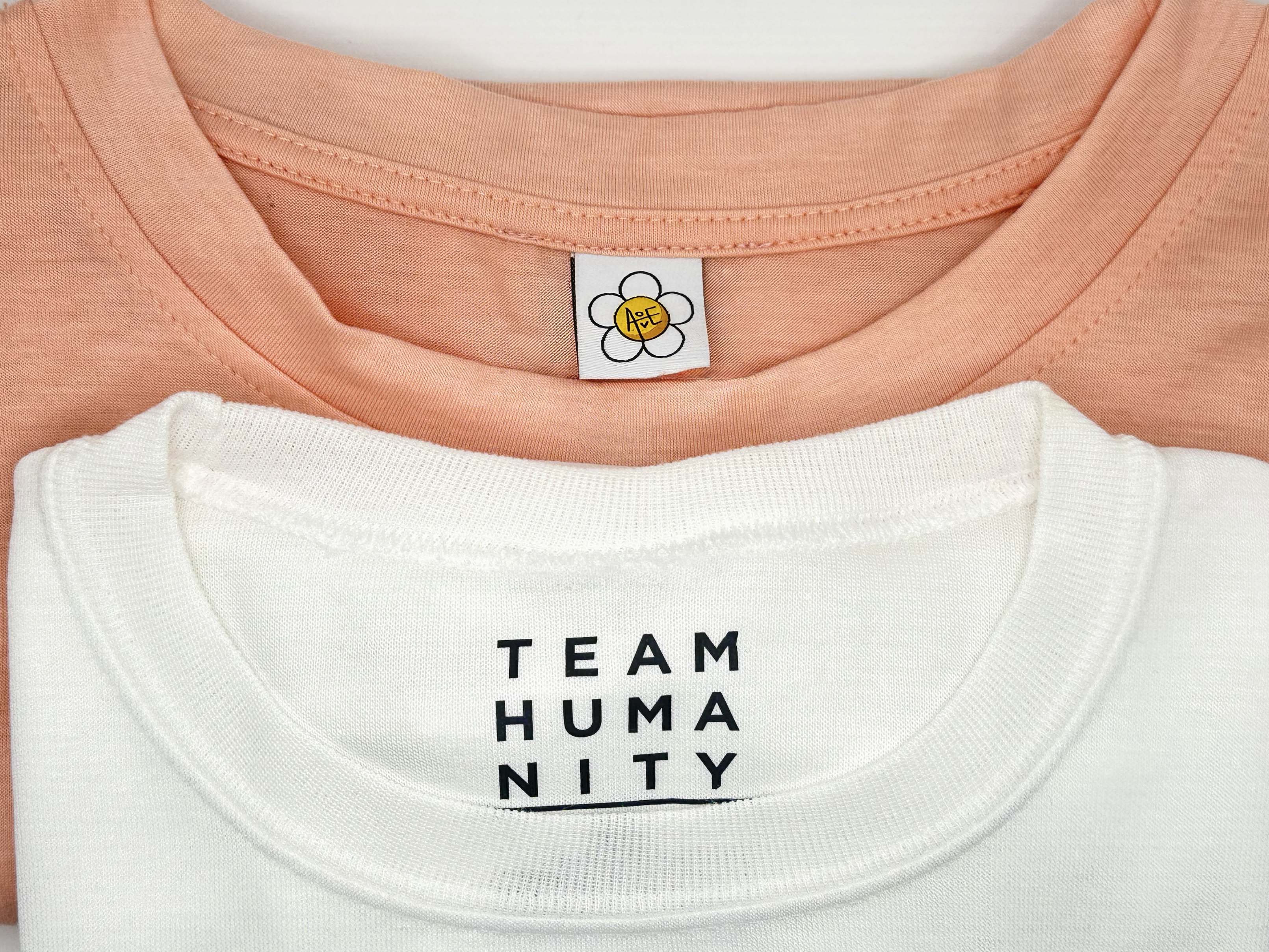
The label inside your garment makes a statement before customers even put it on. In those first few seconds when someone checks the size or care instructions, they're forming impressions about quality, attention to detail, and brand values. The wrong label choice can undermine months of work on design and manufacturing.
After working with thousands of clothing brands, we've seen how label selection affects customer perception and long-term business success. The choice between woven and heat transfer labels isn't just about cost or convenience, it's about the message you want to send about your brand’s attention to detail and quality standards.
The Professional Perception Gap
Walk into any high-end department store and examine the labels in premium brands. You'll find custom woven labels with crisp text, smooth edges, and sophisticated finishing. Then check the discount retailers, you might find that many products feature printed or heat transfer labels with simplified graphics.
This isn't a coincidence. Consumers unconsciously associate label quality with overall product quality. A beautifully woven label suggests careful attention to details throughout the manufacturing process. A heat transfer label implies cost-cutting that might extend to fabrics, construction, or design.
The perception gap exists because these label types serve different market segments. Woven labels traditionally appear in higher-priced garments where customers expect premium details. Custom heat transfer labels dominate budget and mass-market products where cost efficiency drives decisions.
But here's where it gets interesting: many mid-market brands could upgrade their product line by choosing woven labels, often for just pennies more per garment. The investment in professional labeling frequently pays for itself through improved brand positioning and customer loyalty.
Woven Labels: The Gold Standard
Woven labels are the gold standard of professional garment labeling. Created on specialized looms using high-quality threads, custom woven labels offer unmatched durability, visual appeal, and versatility.
Construction quality sets woven labels apart immediately. The edges are clean and finished, with threads woven together rather than simply printed on a substrate. Text appears crisp and dimensional, with individual threads visible under close inspection. Colors are achieved through colored threads rather than printed inks, creating depth and richness that flat printing cannot match.
Durability becomes apparent through use. Woven labels withstand hundreds of wash cycles without fading, cracking, or peeling. The threads may show some wear over time, but the label remains intact and legible. This longevity matters for customer satisfaction and nothing undermines brand confidence like labels that fall apart after a few washes.
Design flexibility allows for sophisticated branding elements. Multiple thread colors create detailed logos and graphics. Different thread types like cotton, polyester, and metallic threads, add texture and different visuals. Size options range from tiny neck labels to large exterior branding labels..
Professional finishing includes options like folded edges, center folds for easy sewing into seams, and heat-sealed edges that won't fray. These details distinguish woven labels from cheaper alternatives and make labels stand out.
The manufacturing process itself inspires confidence. Watching a modern loom create woven labels reveals the precision and technology involved. Each label design is woven in sheets to order, with threads carefully positioned to create your exact design. The sheets are then cut down into individual labels for the order.
Heat Transfer Labels: Practical but Limited
Heat transfer labels serve important functions in garment labeling, particularly for specific applications where their characteristics provide advantages. Understanding these strengths and limitations helps in making an informed decision on which label type is right for your project.
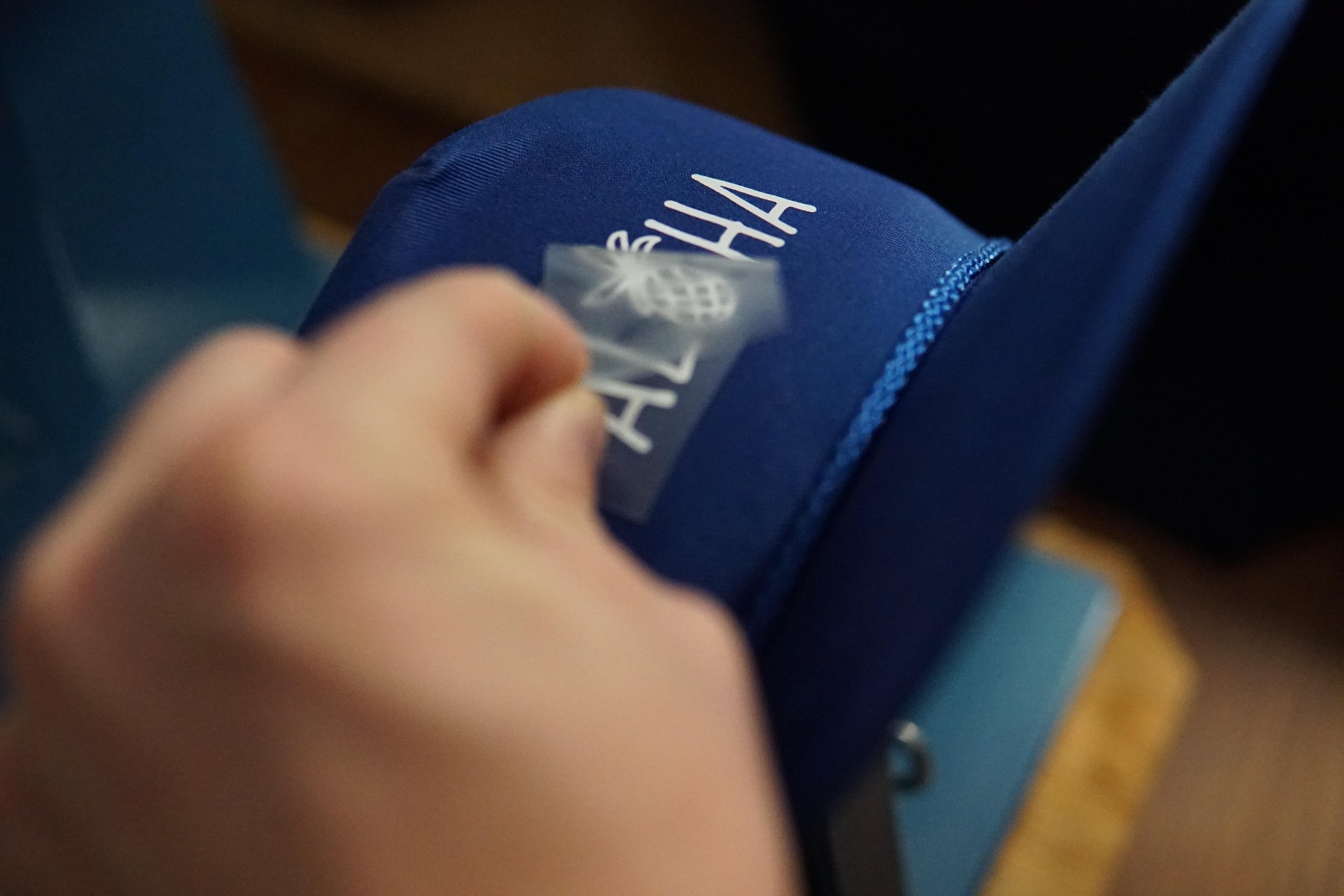
Quick application represents the primary advantage. Heat transfer labels can be applied in seconds using heat presses, compared to the threading and stitching required for woven labels. This speed translates to lower labor costs and faster production times for mass-market garments.
Cost efficiency matters for budget-conscious brands. Heat transfer labels typically cost less per unit than woven labels, and the reduced application time further decreases total labeling costs. For products competing primarily on price, these savings can be significant.
Thin profile works well in certain applications. Heat transfer labels add minimal bulk, making them suitable for lightweight fabrics or applications where thick labels might create uncomfortable ridges. Athletic wear and undergarments sometimes benefit from this low-profile approach.
Design limitations become apparent quickly. Colors are achieved through printing rather than colored threads, limiting shine and depth. However, fine details can sometimes render better, especially in smaller sizes. Complex logos often require simplification for acceptable reproduction though.
Durability concerns affect long-term performance. Heat transfers can fail over time, causing parts of the label to peel or fall away. Washing and drying cycles gradually weaken the bond, particularly with high temperatures or aggressive detergents. When Heat transfer labels fail, they can leave adhesive residues that look unprofessional.
Aesthetic challenges include visible adhesive edges, flat appearance, and potential for bubbling or wrinkling during application. These visual cues immediately signal "budget" to quality-conscious consumers.
When Each Label Type Makes Sense
The choice between woven and heat transfer labels depends on the brand’s target market, and specific application requirements.
Choose woven labels when:
- Brand positioning emphasizes quality and premium positioning
- Target customers expect attention to detail
- Products will be sold in higher-end retail environments
- Garments need to withstand commercial laundering
- Company values include sustainability and longevity
- Budget allows for the modest additional cost
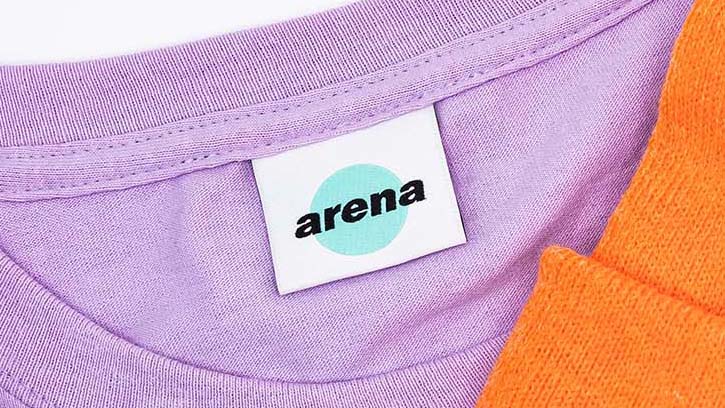
Consider Heat transfer labels when:
- Cost constraints are important
- Products compete primarily on price
- Quick turnaround is essential
- Thin profile is required for comfort
- Temporary or promotional applications are intended
Hybrid approaches work for brands with multiple product tiers. Use woven labels for premium lines and heat transfer labels for more standard products. This strategy maintains cost efficiency while providing upgrade paths for customers willing to pay for better quality.
Real-World Impact on Brand Perception
Customer feedback reveals how label choice affects brand perception in ways that many companies don't anticipate.
Premium positioning gets immediate reinforcement from quality labels. Customers examining a $80 shirt expect details that justify the price. A crisp woven label with perfect finishing supports the price. A heat transfer label raises questions like whether a product is worth the price.
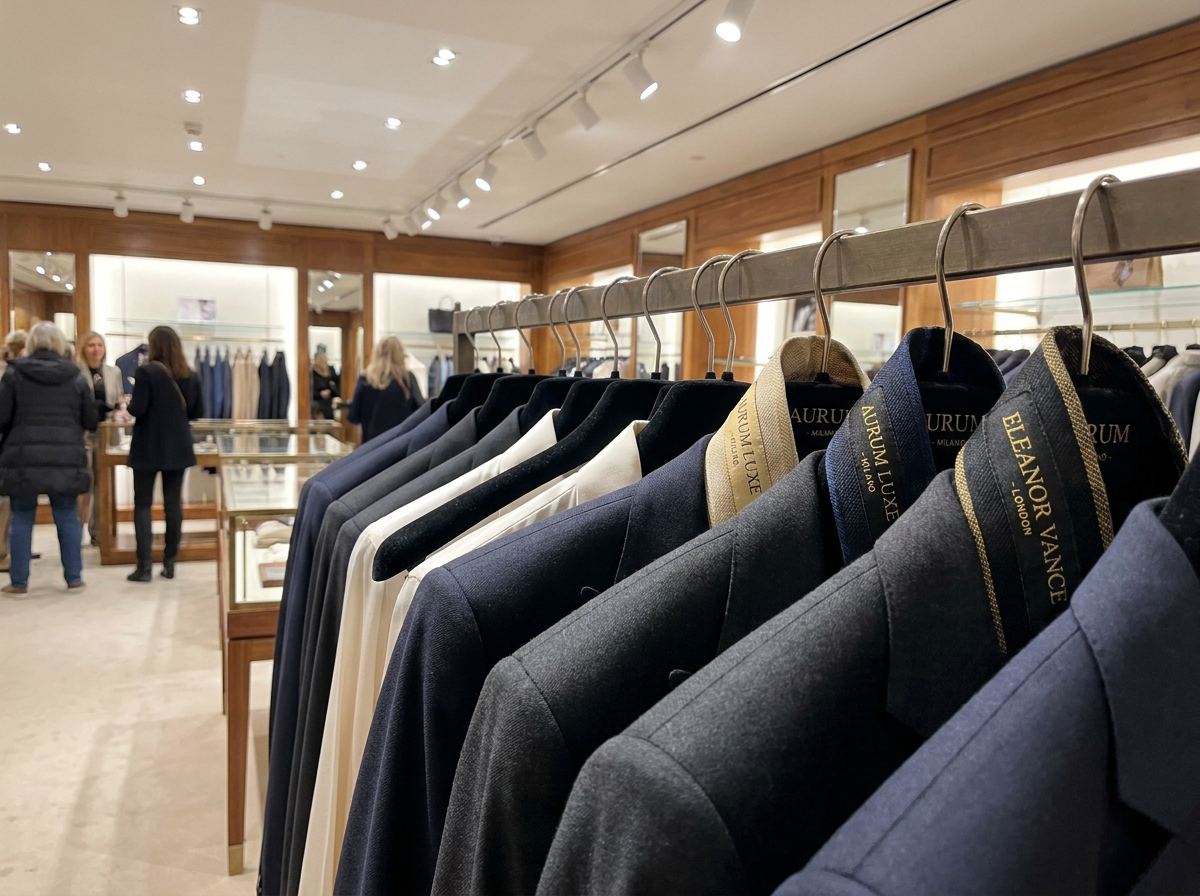
Trust building happens through consistent quality signals. When every detail meets high standards, customers develop confidence in the brand's overall commitment to excellence. Labels that match the product quality create coherent brand experiences.
Word-of-mouth marketing often focuses on unexpected quality details. Customers rarely mention labels in reviews, but they notice when every element exceeds expectations. That notice influences recommendations and repeat purchases.
Professional credibility matters in business to business applications. Uniform suppliers, corporate apparel companies, and promotional product distributors know their clients judge quality by details like labels. Professional accounts expect appropriate label quality for their applications.
Cost Considerations and Return on Investment (ROI)
The financial difference between woven and heat transfer labels often surprises brand owners who assume woven options are dramatically more expensive.
Per-unit pricing shows smaller gaps than expected, especially at reasonable order quantities. While Heat transfer labels might cost $0.20 each and woven labels $0.29, the difference becomes negligible when spread across a $30 garment. The perceived value increase often exceeds the cost difference significantly.
Application costs can favor either option depending on production setup. Heat press application takes seconds but requires special equipment. Sewing woven labels takes longer but uses common equipment and processes. Total labeling costs include both material and application expenses.
Long-term value considerations include customer satisfaction, return rates, and brand building. Products with failing heat transfer labels generate customer service issues and negative reviews. Woven labels that maintain appearance through extended use build brand loyalty and positive associations.
Volume pricing affects cost equations significantly. Both label types offer better pricing at higher quantities, but the curves differ. Woven labels benefit more from volume increases, potentially closing cost gaps at larger order sizes.
Making the Decision for Your Brand
Choosing between woven and heat transfer labels requires honest assessment of brand goals, customer expectations, and business priorities.
Start with customer research. What do your target customers value? Price-conscious consumers might not notice or care about label differences. Quality-focused customers definitely will. Survey existing customers or analyze competitor choices in your market.
Consider total brand experience. Labels should align with overall quality levels. If you're using premium fabrics and construction, budget labels send mixed messages. If you're competing on value, expensive labels might be unnecessary.
Test both options with small orders before committing to large quantities. Order samples of your design in both woven and heat transfer formats. See them on actual garments, wash them several times, and get honest feedback from trusted customers or focus groups.
Plan for growth. If you're starting with budget constraints but aspire to premium outcomes, consider your label choice's role in that transition. Sometimes it's worth stretching the budget for details that support long-term brand building.
Technical Specifications Matter
Both woven and heat transfer labels offer various technical options that affect appearance, performance, and cost.
Woven label variables include thread count (higher counts enable finer details), thread types (cotton, polyester, metallic), backing materials, edge finishing, and attachment methods. Understanding these options helps optimize labels for specific applications.
Heat transfer label specifications include substrate materials, printing methods, and temperature requirements. Matching these specifications to intended use prevents application problems and premature failure.
Care instruction compatibility ensures labels survive the same washing and drying cycles as the garments they label. This consideration is particularly important for heat transfer labels, which may have different temperature tolerances than the base fabrics.
The Verdict: Context Determines the Winner
Neither woven nor heat transfer labels are inherently superior. The best choice depends entirely on brand positioning, budget, and customer expectations.
For brands serious about a premium feel and long-term success, woven labels offer unmatched professionalism and durability. The modest additional cost pays dividends through improved customer perception, value and brand credibility.
For cost-conscious brands competing primarily on price, heat transfer labels provide adequate functionality at more budget-friendly prices. The key is ensuring that label quality aligns with overall product value.
The most successful approach often involves understanding both options thoroughly and making informed decisions based on specific needs rather than assumptions about cost or complexity.
For nearly 20 years, we've helped thousands of clothing brands navigate these decisions and create labeling solutions that support their business goals. Whether you choose woven labels for their premium appeal or heat transfer labels for their practicality, the right choice is the one that serves your customers and supports your brand's journey.
Ready to explore label options for your brand? Contact Custom Woven Labels for samples and guidance on choosing the professional labeling solution that fits your needs and budget.
The information below is required for social login
Sign In
Create New Account