


Chenille Patches vs Embroidered Patches: The Full Breakdown
When you're choosing custom patches for your brand, team, or personal project, the decision often comes down to two popular options: chenille patches and embroidered patches. Both have their place in the custom apparel world, but they serve different purposes and create completely different looks.
Having worked with thousands of brands since 2008, we've seen the rise, fall, and resurgence of various patch styles. Chenille patches dominated school athletics for decades, fell out of fashion in the 90s, and are now experiencing a major comeback. Meanwhile, embroidered patches have remained the versatile workhorse of custom apparel, adapting to new technologies and design trends.
The choice between these two styles isn't just about aesthetics, it also affects cost, durability, application methods, and how your finished product’s perception.
What Makes Each Type Unique
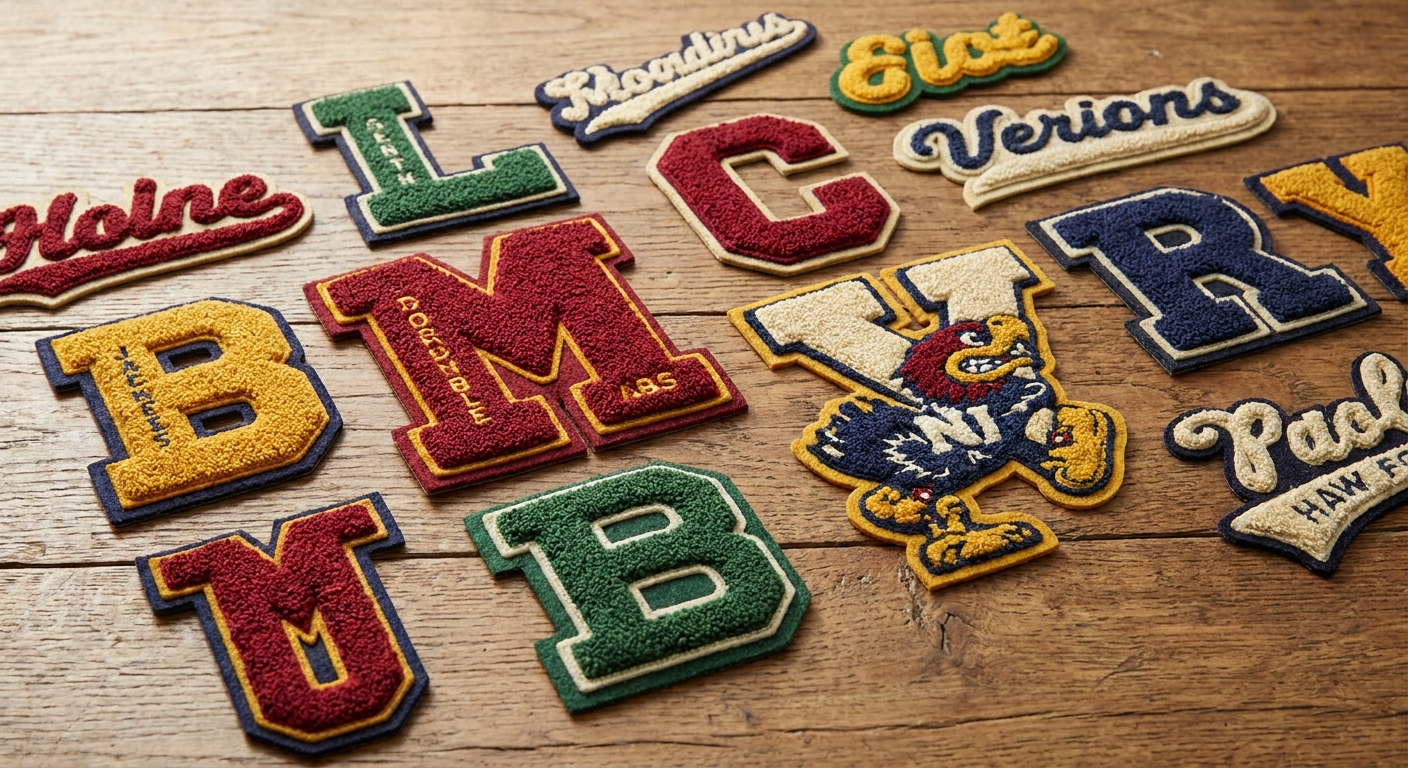
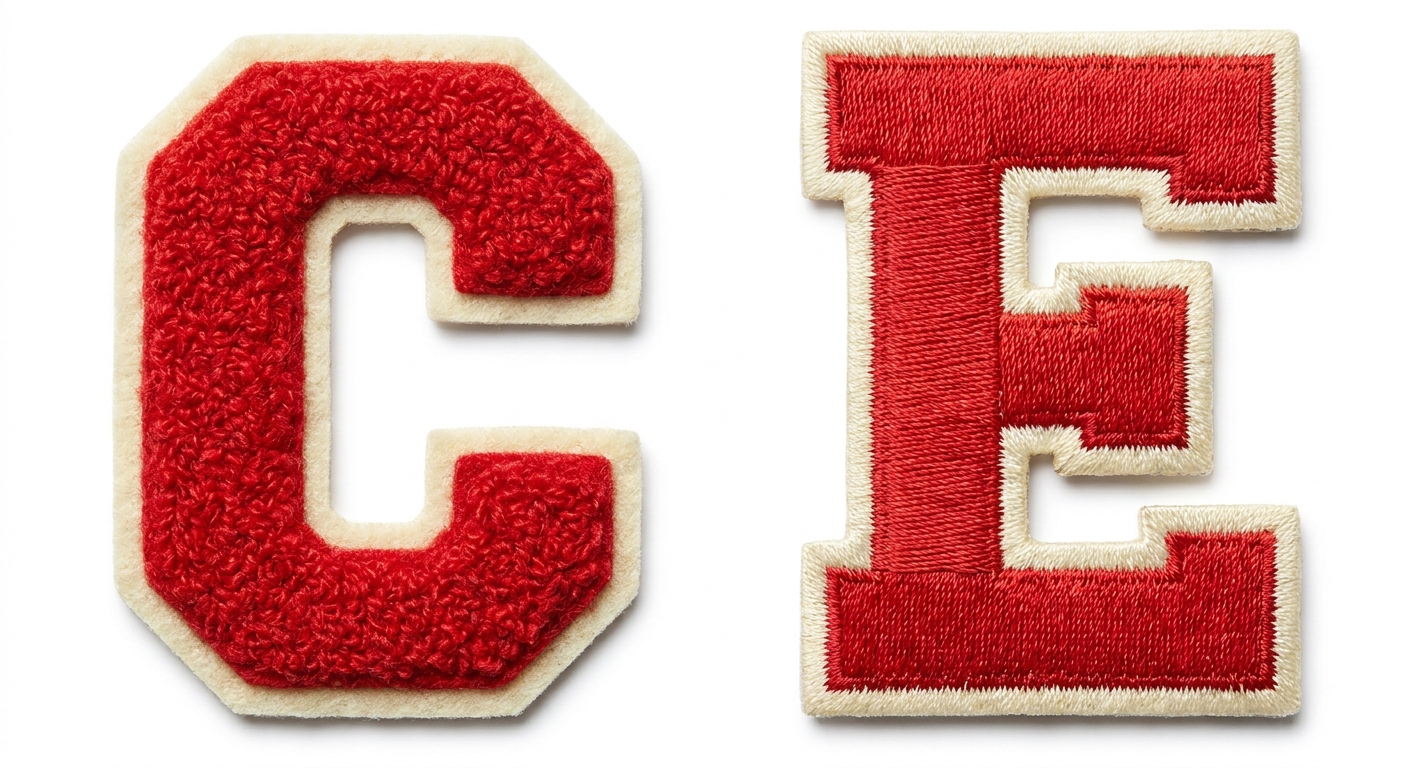
Chenille patches get their distinctive fuzzy appearance from a special yarn construction. The chenille yarn has a core thread with shorter fibers extending in all directions, creating that characteristic plush texture. When woven or tufted into patches, this creates the soft, raised appearance that's instantly recognizable.
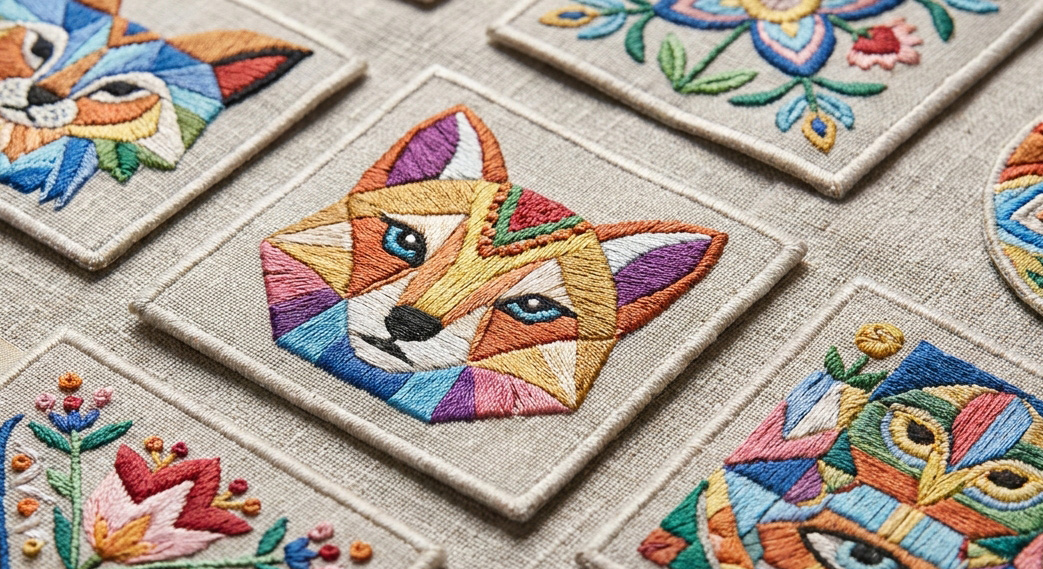
Embroidered patches use standard embroidery thread stitched onto a backing material in dense patterns. The design is created by layering thousands of individual stitches to build up colors and shapes. Modern embroidery can create fine detail and smoother color gradients.
Visual Impact and Aesthetics
Chenille patches have an unmistakably retro, athletic aesthetic. The fuzzy texture catches light differently than smooth surfaces, creating depth and visual interest. Colors tend to appear softer and more muted due to the way light interacts with the raised fibers.
This makes chenille perfect for:
- Vintage or retro-inspired designs
- School and sports applications
- Letters and numbers (the classic letterman style)
- Designs where texture is more important than fine detail
Embroidered patches offer crisp, clean lines and can reproduce fine details that chenille simply can't achieve. The smooth surface allows for sharp text, intricate logos, and complex imagery.
Design Complexity and Detail
This is where the two patch types diverge most dramatically. Chenille patches are inherently limited in the detail they can reproduce. The fuzzy yarn texture means fine lines disappear and small text becomes illegible.
Chenille limitations:
- Text should be at least 3/4 inch tall to remain readable
- Fine lines under 1/8 inch wide don't reproduce well
- Complex logos with intricate elements lose clarity
- Maximum practical colors is usually 3-4
Embroidered capabilities:
- Text as small as 1/4 inch can be legible (depending on font)
- Lines as thin as 1/32 inch reproduce cleanly
- Complex gradients and blends are possible
- Up to 8 thread colors
Cost Considerations
Pricing varies significantly based on size, complexity, and quantity, but there are general patterns worth understanding.
Chenille patches typically cost more per piece because:
- Chenille yarn is more expensive than embroidery thread
- Production takes longer due to specialized processes
- Fewer suppliers offer chenille, reducing competition
- Setup costs are higher for complex designs
Embroidered patches benefit from:
- Widespread production capabilities keeping costs competitive
- Efficient automated production for high volumes
- Lower material costs for standard threads
- Better economy of scale pricing
For most applications, embroidered patches will be 20-40% less expensive than comparable chenille patches.
Market Perception and Trends
Chenille patches carry strong associations with:
- Traditional American athletics
- Vintage and heritage brands
- Quality craftsmanship (due to higher cost and specialization)
- Nostalgia and authenticity
Embroidered patches are perceived as:
- Professional and modern
- Versatile and appropriate for most applications
- Cost-effective and practical
- Technically sophisticated
Choosing the Right Option for Your Project
Consider chenille patches when:
- Your design is simple and bold
- You want a retro or vintage aesthetic
- Texture and visual impact matter more than fine detail
- Budget allows for premium pricing
Choose embroidered patches when:
- Design complexity requires fine detail reproduction
- Budget is a primary concern
- You need professional, corporate appearance
- Fast production is important
The choice between chenille patches and embroidered patches ultimately depends on your specific needs, budget, and aesthetic preferences.
Start by evaluating your design complexity and intended use. Simple, bold designs with retro appeal work beautifully in chenille. Complex logos and professional applications typically need embroidery's precision.
Ready to bring your design to life? Our team has experience with both chenille and embroidered production, and we can help you choose the best option for your specific project. With expert guidance and quality construction, we'll ensure your patches represent your brand perfectly regardless of which style you choose.
The information below is required for social login
Sign In
Create New Account